

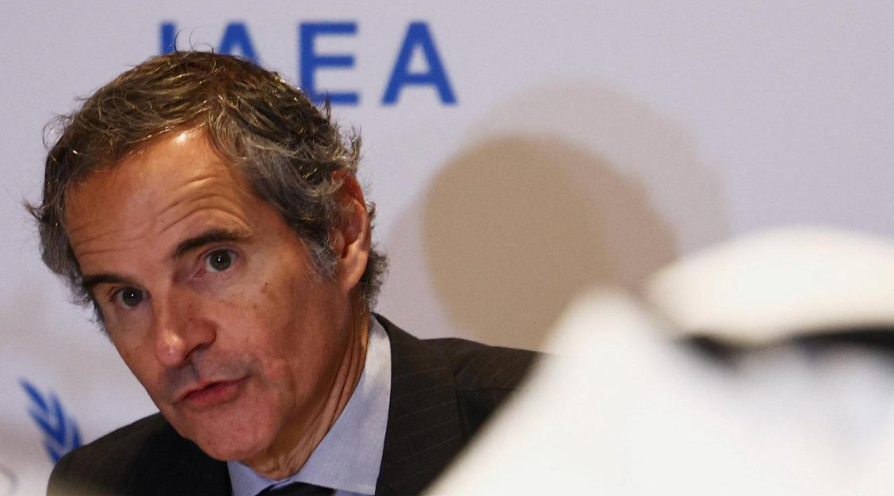
पश्चिम एशिया में जारी तनाव के बीच बुधवार को एक महत्वपूर्ण घटनाक्रम सामने आया। संयुक्त राष्ट्र की परमाणु निगरानी संस्था अंतरराष्ट्रीय परमाणु ऊर्जा एजेंसी (IAEA) के प्रमुख राफेल मारियानो ग्रोसी ने कहा है कि ईरान के परमाणु संवर्धन (एनरिचमेंट) स्थलों का निरीक्षण जल्द ही किया जाएगा।
24 जून को टोक्यो में पत्रकारों से बातचीत के दौरान ग्रोसी ने कहा कि निरीक्षण होना तय है और यह केवल समय की बात है कि विशेषज्ञ इन स्थलों का दौरा कब करेंगे।
उन्होंने कहा, “यह होने जा रहा है। चाहे यह दो दिन बाद हो, एक सप्ताह बाद हो या दस दिन बाद, यह महत्वपूर्ण है लेकिन सबसे जरूरी बात नहीं है।”
परमाणु समझौते के लिए अहम होगा निरीक्षण
ईरान के परमाणु स्थलों का निरीक्षण किसी भी संभावित परमाणु समझौते का महत्वपूर्ण हिस्सा माना जा रहा है।
प्रस्तावित समझौते के तहत ईरान को अपने उच्च स्तर पर संवर्धित यूरेनियम (Highly Enriched Uranium) को कम स्तर पर परिवर्तित करना होगा, ताकि उसका उपयोग केवल शांतिपूर्ण और नागरिक उद्देश्यों के लिए किया जा सके।
हाल के दिनों में अमेरिका और ईरान के बीच इस बात को लेकर मतभेद रहे हैं कि सैन्य हमलों में प्रभावित हुए परमाणु स्थलों की वास्तविक स्थिति क्या है। ऐसे में IAEA का स्वतंत्र निरीक्षण बेहद महत्वपूर्ण माना जा रहा है।
अमेरिकी सीनेट ने पारित किया वॉर पावर्स रिजोल्यूशन
इस बीच अमेरिका में एक बड़ा राजनीतिक घटनाक्रम सामने आया है। अमेरिकी सीनेट ने 23 जून को एक वॉर पावर्स रिजोल्यूशन पारित किया, जिसका उद्देश्य ईरान के खिलाफ भविष्य की सैन्य कार्रवाई पर रोक लगाना है।
यह प्रस्ताव 50-48 मतों से पारित हुआ और यह पहली बार है जब सीनेट ने सफलतापूर्वक ईरान के खिलाफ सैन्य कार्रवाई को सीमित करने की दिशा में कदम उठाया है।
गौरतलब है कि इससे पहले नौ बार ऐसे प्रयास विफल हो चुके थे। कई सांसदों ने बिना कांग्रेस की स्पष्ट मंजूरी के सैन्य कार्रवाई बढ़ाने पर चिंता व्यक्त की।
यूएई पहुंचे अमेरिकी विदेश मंत्री मार्को रुबियो
उधर अमेरिकी विदेश मंत्री मार्को रुबियो संयुक्त अरब अमीरात (UAE) पहुंच चुके हैं। यह उनकी तीन देशों की खाड़ी यात्रा का पहला पड़ाव है।
इस दौरे का उद्देश्य क्षेत्रीय सहयोगियों की चिंताओं को दूर करना और हाल ही में हुए संघर्षविराम समझौते के बाद स्थिरता बनाए रखना है।
रुबियो अपनी यात्रा के दौरान क्षेत्रीय सुरक्षा, ऊर्जा आपूर्ति और कूटनीतिक सहयोग जैसे मुद्दों पर चर्चा कर सकते हैं।
पश्चिम एशिया में स्थिति अभी भी संवेदनशील
हालांकि कूटनीतिक प्रयास तेज हुए हैं, लेकिन पश्चिम एशिया में स्थिति अभी भी संवेदनशील बनी हुई है। अंतरराष्ट्रीय समुदाय की नजर ईरान के परमाणु कार्यक्रम, अमेरिकी नीति और क्षेत्रीय सुरक्षा पर बनी हुई है।
विशेषज्ञों का मानना है कि IAEA द्वारा किए जाने वाले निरीक्षण भविष्य की वार्ताओं और क्षेत्रीय स्थिरता के लिए निर्णायक साबित हो सकते हैं।
West Asia War LIVE: IAEA Chief Says Iran Nuclear Sites Likely to Be Inspected as US Senate Moves to Limit Military Action
The ongoing tensions in West Asia entered a crucial phase on Wednesday as the head of the International Atomic Energy Agency (IAEA), Rafael Mariano Grossi, stated that inspectors are expected to visit Iran’s nuclear enrichment facilities in the near future.
Speaking to journalists in Tokyo on June 24, Grossi emphasized that inspections of Iranian nuclear sites are inevitable despite recent disagreements between Iran and the United States regarding access to facilities allegedly damaged during military operations.
“This is going to happen,” Grossi said, adding that whether inspections take place in a few days or within a week is not the most important issue.
IAEA Inspection Key to Nuclear Agreement
The planned inspections are considered a critical step in implementing any future nuclear agreement between Iran and world powers.
A major focus of the inspections will be Iran’s stockpile of highly enriched uranium. Under the proposed framework, Tehran would be required to “downblend” its enriched uranium to lower levels suitable for civilian purposes.
The United States and Iran have recently disagreed over the condition of several enrichment facilities that were reportedly targeted during military strikes. Independent verification by IAEA inspectors is expected to play a key role in determining the next phase of diplomatic negotiations.
US Senate Approves War Powers Resolution
In a significant political development, the U.S. Senate approved a War Powers Resolution on June 23 aimed at limiting future American military action against Iran.
The resolution passed by a narrow 50-48 vote and marks the first successful Senate effort to challenge direct military involvement in the conflict.
The vote represents a dramatic shift after nine previous attempts to restrict military operations against Iran had failed. Lawmakers from both parties expressed concerns over expanding military engagement without explicit Congressional authorization.
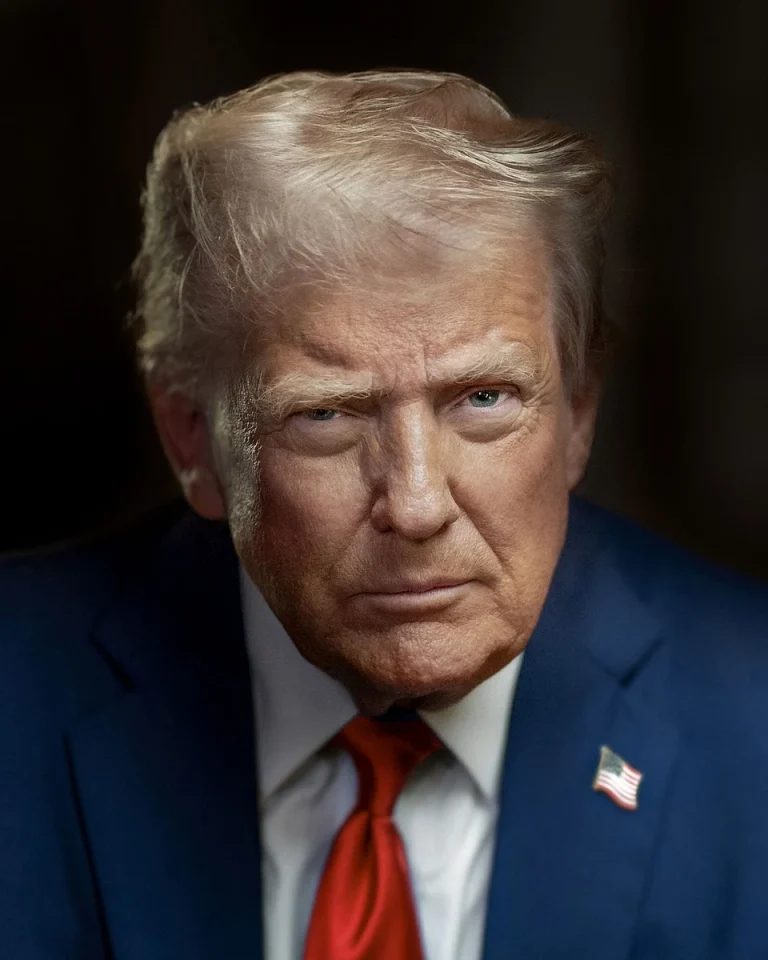
The measure now increases pressure on President Donald Trump’s administration, which launched military operations and may require Congressional funding approval for any future actions.
Marco Rubio Begins Gulf Diplomacy Tour
Meanwhile, U.S. Secretary of State Marco Rubio arrived in the United Arab Emirates as part of a three-country Gulf tour.
The visit is aimed at reassuring regional allies following the recent agreement intended to end hostilities and reduce tensions across West Asia.
Officials expect Rubio to discuss regional security, energy stability, and future diplomatic cooperation with Gulf leaders during the trip.
Regional Situation Remains Sensitive
Although diplomatic efforts have intensified, the situation across West Asia remains fragile. International observers continue to monitor developments surrounding Iran’s nuclear program, military activities, and ongoing negotiations involving the United States and regional partners.
The upcoming IAEA inspections are expected to provide greater clarity regarding the status of Iran’s nuclear facilities and could influence future diplomatic and security decisions across the region.