


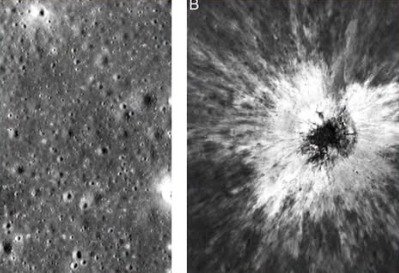
NASA Moon Crater News: चांद की सतह पर एक विशाल अंतरिक्षीय पिंड की टक्कर के बाद बने नए क्रेटर की पहचान की गई है। NASA के Lunar Reconnaissance Orbiter (LRO) ने इस नए क्रेटर का पता लगाया है। वैज्ञानिकों ने इसे McGetchin Crater नाम दिया है। शुरुआती वैज्ञानिक आकलन के अनुसार, यह क्रेटर करीब 728 फीट (लगभग 222 मीटर) चौड़ा और 141 फीट (लगभग 43 मीटर) गहरा है।
वैज्ञानिकों के मुताबिक, यह प्रभाव 11 अप्रैल से 22 मई 2024 के बीच कभी हुआ था। टक्कर मारने वाला पिंड संभवतः तीन से छह मंजिला इमारत के आकार का रहा होगा। इस स्तर की बड़ी टक्कर चांद पर लगभग एक सदी या उससे भी अधिक समय में एक बार होने का अनुमान लगाया जाता है।
टक्कर के समय तुरंत नहीं मिली थी जानकारी
इस घटना की खास बात यह है कि टक्कर के समय क्रेटर को तुरंत पहचान नहीं लिया गया। बाद में NASA के LRO से मिले पुराने और नए डेटा की तुलना करके वैज्ञानिकों ने इसके निशान तलाशे।
वैज्ञानिक रॉबर्ट वैगनर ने 24 अक्टूबर 2025 को LRO के Wide-Angle Camera (WAC) से प्राप्त डेटा की तुलना करते हुए नए प्रभाव के मलबे के निशान पहचाने।
इसके बाद इस क्षेत्र की अधिक विस्तृत जांच की गई।
Narrow-Angle Camera की तस्वीरों से हुई पुष्टि
NASA के LRO के Narrow-Angle Camera (NAC) से 5 दिसंबर 2025 को ली गई हाई-रिजॉल्यूशन तस्वीरों ने नए क्रेटर और उसके आसपास हुए प्रभाव को समझने में महत्वपूर्ण मदद की।
इन तस्वीरों और उपलब्ध पुराने डेटा की तुलना से वैज्ञानिकों को यह निर्धारित करने में मदद मिली कि चांद की सतह पर नया प्रभाव वास्तव में हुआ था और उससे एक नया क्रेटर बना।
NASA ने इस खोज और इससे जुड़ी तस्वीरों की विस्तृत जानकारी 16 सितंबर 2026 को प्रकाशित की।
कितना बड़ा है McGetchin Crater?
वैज्ञानिकों के अनुसार, नए McGetchin Crater का आकार लगभग:
- चौड़ाई: 728 फीट (लगभग 222 मीटर)
- गहराई: 141 फीट (लगभग 43 मीटर)
- टकराने वाला पिंड: अनुमानतः तीन से छह मंजिला इमारत के आकार का
- संभावित टक्कर अवधि: 11 अप्रैल से 22 मई 2024
यह घटना चांद की सतह पर होने वाले अपेक्षाकृत बड़े प्रभावों को समझने के लिए महत्वपूर्ण मानी जा रही है।
क्रेटर के आसपास भी मिला दिलचस्प बदलाव
वैज्ञानिकों ने नए क्रेटर के आसपास करीब 4 मील (लगभग 6.4 किलोमीटर) चौड़ा क्षेत्र भी पहचाना है। खास बात यह है कि रात के दौरान यह क्षेत्र अपने आसपास की सतह की तुलना में करीब 16°F (लगभग 9°C) अधिक ठंडा रहता है।
इस तरह के तापमान अंतर से वैज्ञानिकों को चांद की सतह की संरचना और टक्कर के बाद उसमें हुए बदलावों को समझने में मदद मिल सकती है।
भविष्य के Moon Missions के लिए क्यों महत्वपूर्ण है यह खोज?
चांद की सतह पर बड़े अंतरिक्षीय पिंडों के प्रभाव को समझना भविष्य के रोवर और मानव मिशनों के लिए महत्वपूर्ण है। नई खोज वैज्ञानिकों को यह समझने में मदद कर सकती है कि बड़े प्रभाव चंद्र सतह को किस तरह बदलते हैं और इनके निशान कितने समय तक दिखाई दे सकते हैं।
LRO जैसे मिशन चांद की सतह की लगातार निगरानी कर रहे हैं। पुराने और नए डेटा की तुलना करके वैज्ञानिक ऐसे बदलावों की पहचान कर सकते हैं, जो किसी नए impact event का संकेत देते हैं।
NASA Discovers New Moon Crater: McGetchin Crater Is 728 Feet Wide and 141 Feet Deep
NASA Moon Crater News: NASA’s Lunar Reconnaissance Orbiter (LRO) has identified a new crater on the Moon’s surface created by the impact of a large object from space. Scientists have named the newly identified feature the McGetchin Crater.
According to the scientific assessment provided, the crater is approximately 728 feet (about 222 metres) wide and 141 feet (about 43 metres) deep.
The impact is believed to have occurred sometime between April 11 and May 22, 2024. Scientists estimate that the impacting object may have been roughly the size of a three- to six-storey building.
Moon Impact Was Not Immediately Detected
One of the notable aspects of the discovery is that the impact was not immediately identified when it occurred.
Scientists later compared older and newer observations from NASA’s Lunar Reconnaissance Orbiter to identify changes on the lunar surface.
Scientist Robert Wagner identified debris associated with the new impact on October 24, 2025, while comparing data obtained through the LRO’s Wide-Angle Camera (WAC).
The finding led to a more detailed examination of the area.
High-Resolution Images Helped Confirm the Crater
High-resolution observations from the LRO’s Narrow-Angle Camera (NAC), captured on December 5, 2025, helped scientists examine the newly formed crater and the surrounding impact area.
By comparing the newer observations with earlier data, researchers were able to identify changes consistent with a recent impact event on the lunar surface.
NASA published detailed information about the discovery and related imagery on September 16, 2026.
How Large Is the McGetchin Crater?
The newly identified McGetchin Crater is approximately:
- Width: 728 feet (about 222 metres)
- Depth: 141 feet (about 43 metres)
- Estimated impactor size: roughly equivalent to a three- to six-storey building
- Estimated impact period: April 11 to May 22, 2024
The event provides researchers with another opportunity to study relatively large impact events on the Moon.
Scientists Also Found a Thermal Anomaly
Researchers also identified an area extending approximately 4 miles (about 6.4 kilometres) around the crater where nighttime temperatures remain around 16°F (approximately 9°C) colder than the surrounding lunar surface.
Such differences in thermal behaviour can provide information about the lunar surface and how an impact may have altered the properties of the surrounding terrain.
Why the NASA Moon Crater Discovery Matters
Understanding how large impacts affect the lunar surface is important for future robotic and human Moon missions.
New impact craters can help researchers study how the lunar surface changes over time, how impact debris is distributed and how long the evidence of an impact remains detectable.
The Lunar Reconnaissance Orbiter’s long-term observations are particularly useful because scientists can compare images and measurements taken at different times to identify new changes on the Moon.