

ईरान-ओमान होरमुज़ डील: स्ट्रेट ऑफ होरमुज़ को दोबारा खोलने को लेकर ईरान और ओमान के बीच बातचीत अंतिम चरण में पहुंचती दिखाई दे रही है। दोनों देशों ने महत्वपूर्ण समुद्री मार्ग के लिए प्रस्तावित शिपिंग रूट के भौगोलिक निर्देशांक (coordinates) पर सहमति बनने की पुष्टि की है। हालांकि, समझौते को पूरी तरह लागू करने से पहले कई अहम मुद्दों पर सहमति जरूरी है।
तेहरान: ईरानी संसद के स्पीकर और शीर्ष वार्ताकार मोहम्मद बाकर ग़ालिबाफ ने अमेरिकी राष्ट्रपति डोनाल्ड ट्रंप पर “थिएटर डिप्लोमेसी” करने का आरोप लगाया है। ग़ालिबाफ का बयान ऐसे समय आया है जब ईरान और ओमान होरमुज़ जलडमरूमध्य में वाणिज्यिक जहाजों की आवाजाही के लिए एक व्यवस्था को अंतिम रूप देने के करीब बताए जा रहे हैं।
होरमुज़ डील को लेकर क्या हुआ?
ईरान के विदेश मंत्रालय के अनुसार, ईरान और ओमान ने स्ट्रेट ऑफ होरमुज़ से होकर गुजरने वाले प्रस्तावित सुरक्षित वाणिज्यिक शिपिंग रूट के भौगोलिक निर्देशांक पर समझ बनाई है। दोनों देशों के बीच संयुक्त घोषणा को अंतिम रूप देने की प्रक्रिया भी चल रही है।
हालांकि, इसका मतलब यह नहीं है कि स्ट्रेट ऑफ होरमुज़ पूरी तरह सामान्य स्थिति में लौट चुका है। सुरक्षा, जहाजों की आवाजाही और रूट के संचालन जैसे महत्वपूर्ण मुद्दे अभी भी चर्चा का हिस्सा हैं।
अमेरिकी अधिकारियों की ओर से ईरान को दुनिया के प्रमुख ऊर्जा मार्ग पर एकतरफा नियंत्रण देने का विरोध किया जाता रहा है। वहीं, अमेरिकी राष्ट्रपति डोनाल्ड ट्रंप ने होरमुज़ को दोबारा खोलने को लेकर समझौते के करीब होने की बात कही है।
मोहम्मद बाकर ग़ालिबाफ ने ट्रंप पर क्या कहा?
ईरानी संसद के स्पीकर मोहम्मद बाकर ग़ालिबाफ ने सोशल मीडिया प्लेटफॉर्म X पर अमेरिकी राष्ट्रपति डोनाल्ड ट्रंप की रणनीति पर निशाना साधा।
उन्होंने ट्रंप की ओर से लगातार बढ़ते सैन्य दबाव और चेतावनियों को “थिएटर डिप्लोमेसी” बताया। ग़ालिबाफ ने कहा कि धमकियों, वादों से पीछे हटने और गलत सूचनाओं के सहारे दबाव बनाने की रणनीति सफल नहीं होगी।
उनका यह बयान ईरान और अमेरिका के बीच जारी तनाव के बीच सामने आया है।
स्ट्रेट ऑफ होरमुज़ इतना महत्वपूर्ण क्यों है?
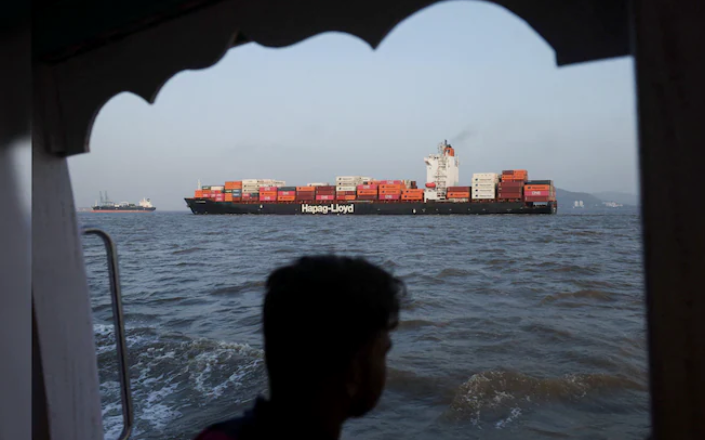
स्ट्रेट ऑफ होरमुज़ फारस की खाड़ी और ओमान की खाड़ी को जोड़ने वाला एक बेहद महत्वपूर्ण समुद्री मार्ग है। इसके एक तरफ ईरान है, जबकि दूसरी तरफ ओमान और संयुक्त अरब अमीरात स्थित हैं।
शांतिकाल में दुनिया के तेल और LNG व्यापार का एक बड़ा हिस्सा इस जलडमरूमध्य से होकर गुजरता है। इसलिए यहां लंबे समय तक किसी भी तरह का व्यवधान वैश्विक ऊर्जा बाजार, तेल की कीमतों और अंतरराष्ट्रीय शिपिंग पर बड़ा असर डाल सकता है।
इसी वजह से ईरान, अमेरिका और क्षेत्रीय देशों के लिए होरमुज़ का नियंत्रण और सुरक्षित समुद्री आवाजाही एक रणनीतिक मुद्दा बन गया है।
ईरान क्या चाहता है?
ईरान की प्राथमिकता होरमुज़ में अपनी सुरक्षा और क्षेत्रीय भूमिका को बनाए रखना है। मौजूदा बातचीत में प्रस्तावित शिपिंग रूट के लिए भौगोलिक निर्देशांकों पर सहमति एक महत्वपूर्ण कदम माना जा रहा है।
रॉयटर्स की रिपोर्ट के अनुसार, बातचीत में जहाजों की आवाजाही और मार्ग के संचालन को लेकर ईरान की भूमिका एक प्रमुख मुद्दा बनी हुई है।
ईरान यह भी चाहता है कि उसकी संप्रभुता और सुरक्षा संबंधी चिंताओं को समझौते में पर्याप्त महत्व दिया जाए।
ओमान की क्या भूमिका है?
ओमान लंबे समय से क्षेत्रीय तनावों के बीच मध्यस्थ की भूमिका निभाता रहा है। स्ट्रेट ऑफ होरमुज़ के दक्षिणी हिस्से में उसकी भौगोलिक स्थिति भी उसे इस बातचीत में महत्वपूर्ण पक्ष बनाती है।
ईरान और ओमान के बीच समुद्री मार्ग को लेकर बातचीत का उद्देश्य वाणिज्यिक जहाजों के लिए अधिक स्पष्ट और सुरक्षित व्यवस्था तैयार करना है।
अमेरिका क्या चाहता है?
अमेरिका की सबसे बड़ी चिंता यह है कि स्ट्रेट ऑफ होरमुज़ जैसे महत्वपूर्ण अंतरराष्ट्रीय ऊर्जा मार्ग तक जहाजों की आवाजाही किसी एक देश के नियंत्रण में न चली जाए।
अमेरिकी अधिकारियों ने पहले भी संकेत दिया है कि वे ईरान को इस रणनीतिक जलमार्ग पर ऐसा नियंत्रण देने के पक्ष में नहीं हैं जिससे अंतरराष्ट्रीय व्यापार प्रभावित हो सकता है।
वॉशिंगटन के लिए दूसरा बड़ा मुद्दा क्षेत्रीय सुरक्षा और ईरान के साथ व्यापक युद्ध को समाप्त करना भी है।
ईरानी संसद में नया प्रस्ताव क्या है?
ईरानी मीडिया के अनुसार, संसद की एक समिति ऐसे प्रारंभिक विधेयक की समीक्षा कर रही है जिसमें अमेरिका, इजरायल और अन्य “शत्रुतापूर्ण” माने जाने वाले देशों के जहाजों पर स्ट्रेट ऑफ होरमुज़ में प्रतिबंध लगाने का प्रस्ताव शामिल है।
रिपोर्ट के अनुसार, प्रस्तावित नियमों का उल्लंघन करने वाले जहाजों पर उनके कार्गो के मूल्य के 20 प्रतिशत तक जुर्माने का प्रावधान भी हो सकता है।
हालांकि, यह एक प्रारंभिक संसदीय प्रस्ताव है और इसे अंतिम कानून के रूप में नहीं देखा जाना चाहिए।
क्या होरमुज़ पूरी तरह खुल गया है?
अभी यह कहना जल्दबाजी होगी।
ईरान और ओमान के बीच शिपिंग रूट के coordinates पर सहमति बनना महत्वपूर्ण प्रगति है, लेकिन संयुक्त घोषणा, सुरक्षा व्यवस्था और व्यावहारिक क्रियान्वयन जैसे मुद्दे अभी महत्वपूर्ण हैं। ईरानी अधिकारियों ने भी संकेत दिया है कि केवल किसी समझौते से जलडमरूमध्य की सुरक्षा अपने आप सुनिश्चित नहीं हो जाती।
इसलिए फिलहाल इसे होरमुज़ को दोबारा खोलने की दिशा में बड़ा कूटनीतिक कदम कहना अधिक सही होगा।
भारत और दुनिया पर क्या असर पड़ सकता है?
स्ट्रेट ऑफ होरमुज़ में स्थिरता आने से वैश्विक तेल और गैस आपूर्ति को राहत मिल सकती है। इसके उलट, अगर समुद्री मार्ग में दोबारा बड़ा व्यवधान पैदा होता है तो ऊर्जा कीमतों, शिपिंग लागत और बीमा प्रीमियम पर दबाव बढ़ सकता है।
भारत जैसे बड़े ऊर्जा आयातक देश के लिए भी होरमुज़ की स्थिति महत्वपूर्ण है। लंबे समय तक समुद्री मार्ग में अस्थिरता रहने पर कच्चे तेल की कीमतों और आयात लागत पर असर पड़ सकता है।
Iran-Oman Strait of Hormuz Deal Nears Final Stage; What Iran, Oman and US Want
Iran Oman Hormuz Deal: Iran and Oman appear close to finalising an arrangement aimed at facilitating commercial shipping through the Strait of Hormuz after the two countries reached an understanding on the geographic coordinates of a proposed shipping route.
The development comes amid continuing tensions between Iran and the United States and growing international concerns over the security of one of the world’s most important energy shipping chokepoints.
Iran-Oman Hormuz Deal: What Happened?
Iran’s Foreign Ministry has confirmed that Tehran and Muscat have reached an understanding on the geographic coordinates for a proposed commercial shipping route through the Strait of Hormuz.
A joint announcement between the two countries is reportedly being finalised. However, the agreement should not yet be interpreted as a complete return to normal shipping conditions because questions surrounding security and implementation remain.
The development could become an important diplomatic step toward restoring more predictable commercial traffic through the strategic waterway.
What Did Mohammad Bagher Ghalibaf Say?
Iranian Parliament Speaker and senior negotiator Mohammad Bagher Ghalibaf has criticised US President Donald Trump, accusing Washington of pursuing what he described as “theatre diplomacy.”
Ghalibaf’s comments came as Tehran waits for further developments on the proposed arrangement involving Oman and the Strait of Hormuz.
His remarks reflect the broader disagreement between Tehran and Washington over how the waterway should be managed and secured.
Why Is the Strait of Hormuz So Important?
The Strait of Hormuz connects the Persian Gulf with the Gulf of Oman. Iran lies to its north, while Oman and the United Arab Emirates are located on the southern side.
The waterway is one of the world’s most important energy chokepoints because a substantial share of global oil and LNG shipments traditionally passes through it.
Any prolonged disruption can therefore affect crude oil prices, shipping costs, insurance rates and global energy markets.
What Does Iran Want?
Iran’s position centres on maintaining its security interests and role in the strategic waterway.
The agreement under discussion includes a proposed shipping route whose geographic coordinates have now been agreed upon by Iran and Oman. The role of Iranian authorities in managing or monitoring shipping through the route remains one of the key issues surrounding the arrangement.
Tehran also wants its security concerns and claims regarding sovereignty to be taken into account.
What Does Oman Want?
Oman is an important party because of its location along the southern side of the Strait of Hormuz and its long-standing role in regional diplomacy.
For Muscat, establishing a predictable and safer framework for commercial shipping is crucial for maritime security and regional stability.
The Iran-Oman talks therefore focus not only on the route itself but also on how shipping can operate through the area amid continuing geopolitical tensions.
What Does the US Want?
Washington’s primary concern is preventing Iran from gaining unilateral control over access to one of the world’s most important energy routes.
US officials have repeatedly opposed arrangements that would effectively give Tehran unrestricted control over international shipping through the Strait of Hormuz. At the same time, President Donald Trump has indicated that a deal to reopen the waterway could be close.
The United States also wants broader regional security and an end to the prolonged conflict with Iran.
Iran’s Proposed Restrictions on Hostile Ships
Iranian media have reported that a parliamentary committee is reviewing a preliminary bill that could restrict US, Israeli and other vessels considered hostile from using the Strait of Hormuz.
The reported proposal could also impose fines of up to 20 per cent of a vessel’s cargo value for violations.
However, this remains a preliminary parliamentary proposal and should not be treated as an enacted law.
Has the Strait of Hormuz Fully Reopened?
Not yet.
The agreement on shipping-route coordinates represents significant progress, but it does not automatically mean that the Strait of Hormuz has returned to normal operations.
A joint announcement, security arrangements and practical implementation are still important steps. Iran has also indicated that an agreement between Tehran and Muscat alone would not automatically guarantee security in the waterway.
Therefore, the latest development is better described as a major step toward reopening and stabilising commercial shipping through the Strait of Hormuz, rather than a completed settlement.
What Could It Mean for India and Global Markets?
Greater stability around the Strait of Hormuz could reduce uncertainty for global energy markets and international shipping.
For India, which is heavily dependent on imported crude oil, developments around the waterway are particularly important. Any prolonged disruption could increase crude prices, freight costs and insurance expenses.
On the other hand, a stable and predictable shipping corridor could ease pressure on global energy markets and improve confidence among shipping companies and energy traders.