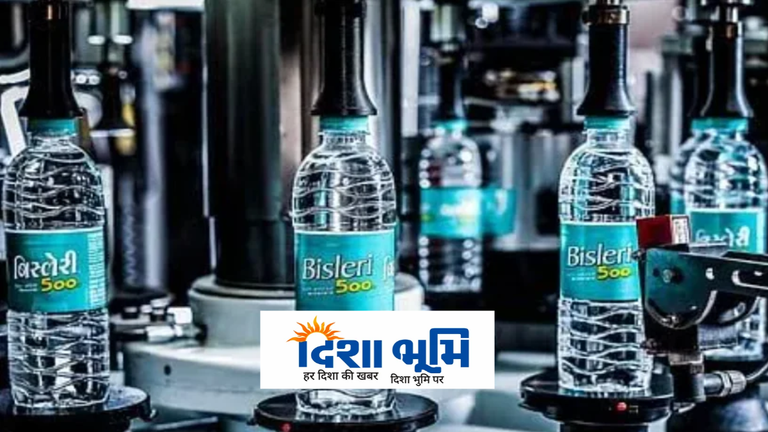


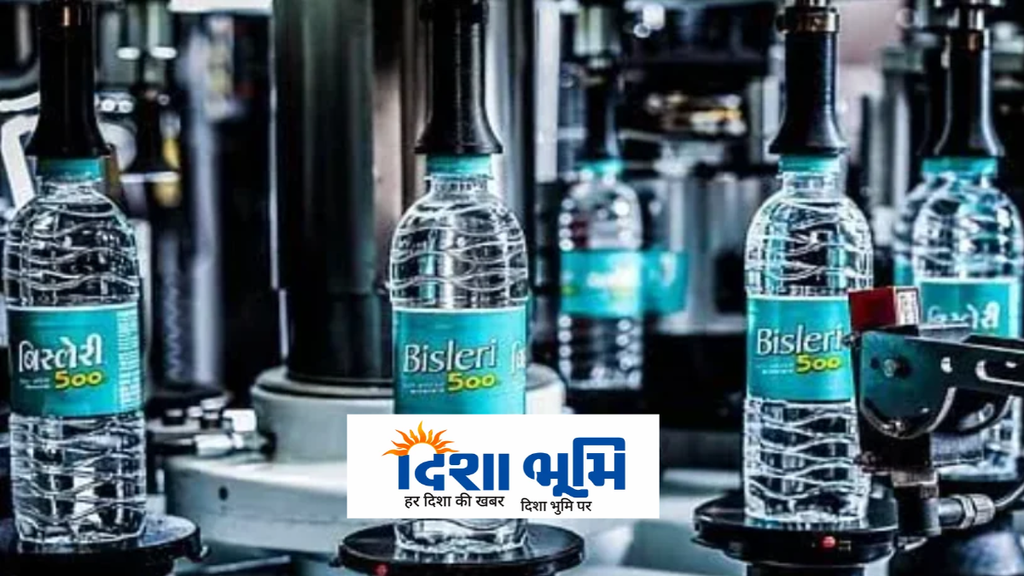
नई दिल्ली: पैकेज्ड ड्रिंकिंग वाटर की गुणवत्ता को लेकर चिंता बढ़ गई है। भारतीय खाद्य सुरक्षा एवं मानक प्राधिकरण (FSSAI) ने बिसलेरी इंटरनेशनल के एक पानी के नमूने में निर्धारित सीमा से अधिक ब्रोमेट और अन्य रासायनिक संदूषण से जुड़ी लैब जांच के आधार पर अभियोजन की कार्रवाई को मंजूरी दी है। मामले में जांच के दौरान ब्रोमेट और पॉलीन्यूक्लियर एरोमैटिक हाइड्रोकार्बन्स (PAHs) का उल्लेख सामने आया है।
हालांकि, यह मामला बिसलेरी के एक विशेष नमूने से जुड़ा है। इससे यह साबित नहीं होता कि कंपनी की सभी बोतलों या सभी बैचों का पानी दूषित है।
बिसलेरी के पानी में क्या मिला? जानिए पूरा मामला
FSSAI के अनुसार, बिसलेरी इंटरनेशनल प्राइवेट लिमिटेड के परिसर से पैकेज्ड ड्रिंकिंग वाटर का एक नियामकीय नमूना जांच के लिए लिया गया था। शुरुआती लैब जांच में ब्रोमेट की मात्रा निर्धारित मानकों के अनुरूप नहीं पाई गई, जिसके बाद नमूने को असुरक्षित घोषित किया गया।
कंपनी ने इस जांच के खिलाफ अपील की। इसके बाद नमूने को रेफरल लैब में दोबारा जांच के लिए भेजा गया। दूसरी जांच में पॉलीन्यूक्लियर एरोमैटिक हाइड्रोकार्बन्स (PAHs) की मौजूदगी सामने आई और नमूने को फिर असुरक्षित बताया गया।
इन निष्कर्षों के आधार पर FSSAI ने खाद्य सुरक्षा एवं मानक अधिनियम, 2006 के तहत अभियोजन की कार्रवाई को मंजूरी दी।
बिसलेरी ने क्या सफाई दी?
बिसलेरी इंटरनेशनल ने अपने बयान में कहा कि यह मामला लगभग 14 महीने पुराना है और सितंबर 2025 में गोवा स्थित कंपनी की मैन्युफैक्चरिंग यूनिट में उत्पादित एक बैच से संबंधित है।
कंपनी के मुताबिक, उसके नेटवर्क में 143 प्लांट हैं और संबंधित नमूना इनमें से एक प्लांट से लिया गया था।
बिसलेरी ने यह भी दावा किया कि उसकी स्वतंत्र प्रयोगशाला में की गई जांच में ब्रोमेट की मात्रा निर्धारित सीमा के भीतर पाई गई थी। कंपनी ने रेफरल लैब के निष्कर्षों पर स्पष्टीकरण की आवश्यकता जताई है और नियामकीय प्रक्रिया में सहयोग करने की बात कही है।
कंपनी के अनुसार, कुल छह नमूनों में से पांच निर्धारित मानकों पर खरे उतरे, जबकि छठे नमूने में ब्रोमेट की मात्रा 12 माइक्रोग्राम प्रति लीटर दर्ज की गई, जबकि निर्धारित सीमा 10 माइक्रोग्राम प्रति लीटर थी।
बिसलेरी ने 22 नवंबर 2025 को अपील की थी, जिसके बाद संबंधित नमूने को रेफरल लैब भेजा गया। कंपनी के अनुसार, रेफरल जांच में ब्रोमेट निर्धारित सीमा के भीतर पाया गया, लेकिन PAHs को लेकर अलग निष्कर्ष सामने आया।
ब्रोमेट क्या है और यह स्वास्थ्य के लिए कितना खतरनाक है?
ब्रोमेट एक रासायनिक यौगिक है, जो पानी के उपचार की कुछ प्रक्रियाओं के दौरान बन सकता है। खासतौर पर ओजोन से पानी को डिसइन्फेक्ट करने की प्रक्रिया में, यदि पानी में ब्रोमाइड मौजूद हो, तो ब्रोमेट बनने की संभावना रहती है।
पोटैशियम ब्रोमेट को इंटरनेशनल एजेंसी फॉर रिसर्च ऑन कैंसर (IARC) ने संभावित रूप से कैंसरकारी पदार्थों की श्रेणी में रखा है। इसलिए पीने के पानी में इसकी मात्रा को नियंत्रित रखना महत्वपूर्ण है।
विशेषज्ञों के अनुसार, किसी रसायन का जोखिम उसकी मात्रा, संपर्क की अवधि और व्यक्ति की स्वास्थ्य स्थिति पर निर्भर करता है। किसी एक बार दूषित पानी पीने से कैंसर होने का मतलब नहीं है, लेकिन लंबे समय तक अधिक मात्रा में रासायनिक संपर्क स्वास्थ्य के लिए चिंता का विषय हो सकता है।
PAHs क्या हैं?
पॉलीन्यूक्लियर एरोमैटिक हाइड्रोकार्बन्स (PAHs) रसायनों का एक समूह है, जो कोयला, तेल, लकड़ी और अन्य कार्बनिक पदार्थों के अधूरे दहन से बन सकते हैं।
PAHs के कुछ यौगिक कैंसरकारी माने जाते हैं। इनकी प्रकृति, मात्रा और संपर्क की अवधि के आधार पर स्वास्थ्य जोखिम अलग-अलग हो सकते हैं। कुछ PAHs DNA को नुकसान पहुंचाने और कोशिकाओं में बदलाव से जुड़े हैं।
हालांकि, इस समूह के सभी रसायनों का कैंसर संबंधी जोखिम एक जैसा नहीं होता।
क्या एक बार दूषित पानी पीने से कैंसर हो सकता है?
विशेषज्ञों के अनुसार, किसी संभावित कैंसरकारी रसायन के संपर्क में आने का अर्थ यह नहीं है कि व्यक्ति को कैंसर हो जाएगा।
स्वास्थ्य जोखिम कई बातों पर निर्भर करता है:
- रसायन की वास्तविक मात्रा और सांद्रता।
- कितने समय तक संपर्क हुआ।
- कितनी बार दूषित पानी का सेवन किया गया।
- व्यक्ति की स्वास्थ्य स्थिति और संवेदनशीलता।
- अन्य पर्यावरणीय जोखिम।
लंबे समय तक दूषित पानी का सेवन अधिक चिंता का विषय हो सकता है। इसलिए पानी की नियमित गुणवत्ता जांच और पारदर्शी लैब रिपोर्ट जरूरी है।
मिनरल वाटर और पैकेज्ड ड्रिंकिंग वाटर में क्या अंतर है?
बोतलबंद पानी को अक्सर मिनरल वाटर कहा जाता है, लेकिन दोनों अलग श्रेणियां हैं।
नेचुरल मिनरल वाटर: यह संरक्षित भूमिगत स्रोतों से प्राप्त होता है और इसमें प्राकृतिक रूप से मौजूद खनिजों की एक विशिष्ट संरचना होती है। इसकी खनिज संरचना सामान्यतः स्थिर रहती है और उपचार की अनुमति सीमित होती है।
पैकेज्ड ड्रिंकिंग वाटर: यह विभिन्न स्रोतों से प्राप्त हो सकता है, जैसे भूमिगत जल, सतही जल या नगरपालिका जल आपूर्ति। इसे फिल्ट्रेशन, रिवर्स ऑस्मोसिस (RO), डीमिनरलाइजेशन और री-मिनरलाइजेशन जैसी प्रक्रियाओं से उपचारित किया जा सकता है।
इसलिए बोतल पर लिखी पानी की श्रेणी को समझना जरूरी है।
बोतलबंद पानी खरीदते समय इन 5 बातों का रखें ध्यान
- लेबल जांचें: FSSAI लाइसेंस, निर्माता का नाम, बैच नंबर और पैकेजिंग तारीख देखें।
- सील चेक करें: बोतल का ढक्कन और सील पूरी तरह सुरक्षित होनी चाहिए।
- धूप और गर्मी से बचें: लंबे समय तक तेज धूप या गर्मी में रखी बोतलें खरीदने से बचें।
- मिनरल कंटेंट पढ़ें: कैल्शियम, मैग्नीशियम, सोडियम और TDS की जानकारी देखें।
- विश्वसनीय विक्रेता से खरीदें: अधिकृत दुकानों और भरोसेमंद सप्लाई चैन से पानी खरीदें।
क्या बिसलेरी का पूरा पानी असुरक्षित है?
फिलहाल सामने आया मामला एक विशेष नमूने और उससे संबंधित लैब जांच का है। इसे कंपनी के सभी उत्पादों या सभी बैचों के दूषित होने का प्रमाण नहीं माना जाना चाहिए।
यह घटना पैकेज्ड ड्रिंकिंग वाटर की नियमित जांच, पारदर्शिता और खाद्य सुरक्षा नियमों के पालन की आवश्यकता को जरूर उजागर करती है।
उपभोक्ताओं के लिए सबसे जरूरी बात यह है कि पानी की गुणवत्ता केवल ब्रांड, पैकेजिंग या उसके साफ दिखाई देने से तय नहीं होती। सुरक्षित पानी वही है जो निर्धारित खाद्य सुरक्षा मानकों पर खरा उतरता हो।
Bisleri Water Contamination Case: FSSAI Approves Prosecution Over Bromate and PAHs Findings
New Delhi: Packaged drinking water safety has come under scrutiny after the Food Safety and Standards Authority of India (FSSAI) sanctioned prosecution proceedings against Bisleri International following laboratory findings concerning a water sample declared unsafe.
The investigation reportedly flagged bromate levels beyond the prescribed limit during the initial examination, while a subsequent referral laboratory assessment detected polynuclear aromatic hydrocarbons (PAHs). The findings have raised questions about potential chemical contamination in bottled drinking water and the possible health implications of prolonged exposure.
However, the regulatory action relates to a specific sample and does not establish that every bottle or batch of Bisleri water is contaminated.
What Happened in the Bisleri Water Contamination Case?
According to the food safety regulator, a sample of packaged drinking water was collected from the premises of Bisleri International Pvt. Ltd. for laboratory analysis.
The initial examination found that the sample did not comply with the prescribed bromate limits and was declared unsafe under the Food Safety and Standards Act, 2006.
Following an appeal by the company, the sample was sent to a referral food laboratory for further assessment. The subsequent examination also classified the sample as unsafe after detecting polynuclear aromatic hydrocarbons (PAHs).
Based on the laboratory findings, FSSAI sanctioned prosecution proceedings against the company under the Food Safety and Standards Act, 2006.
What Did Bisleri Say About the Allegations?
Bisleri International said the matter dates back approximately 14 months and concerns a batch manufactured in September 2025 at its Goa manufacturing facility.
The company stated that the sample was collected from one of its 143 manufacturing plants.
Bisleri also said that testing conducted by its independent laboratory found bromate levels within permissible limits. It questioned aspects of the referral laboratory’s findings and said it would cooperate with the regulatory process.
According to the company’s statement, five out of six samples complied with applicable standards, while the sixth sample recorded bromate levels of 12 micrograms per litre against the prescribed limit of 10 micrograms per litre.
Bisleri said it appealed against the finding on November 22, 2025. Following the appeal, the sample was sent to a referral laboratory, which reportedly found bromate within the prescribed limit but separately flagged PAHs.
The differing findings have raised questions that may require further clarification through the regulatory process.
What Is Bromate and Why Is It a Health Concern?
Bromate is a chemical compound that may form during certain water treatment processes, particularly when ozone is used for disinfection in water containing bromide.
Potassium bromate is classified by the International Agency for Research on Cancer (IARC) as possibly carcinogenic to humans. This is why bromate levels in drinking water are subject to regulatory limits.
Experts say the potential health risk depends on the concentration of the chemical, the duration of exposure and individual susceptibility.
Prolonged exposure to elevated levels of certain chemical contaminants may contribute to cellular damage and other long-term health concerns. However, the presence of a chemical does not automatically mean that a person will develop cancer.
What Are PAHs?
Polynuclear aromatic hydrocarbons, commonly known as PAHs, are a group of chemicals that can form during the incomplete burning of organic materials such as coal, oil, wood and tobacco.
Certain PAHs are known carcinogens, while the risk varies among individual compounds.
Some PAHs may contribute to DNA damage, oxidative stress and cellular changes associated with cancer development. The potential health effects depend on the specific chemical, its concentration and the duration of exposure.
Not all PAHs have the same toxicity or carcinogenic classification.
Can Drinking Contaminated Water Once Cause Cancer?
Experts say consuming water containing a potentially harmful chemical once or twice does not mean that a person will develop cancer.
The potential risk depends on several factors, including:
- The concentration of the contaminant.
- The duration and frequency of exposure.
- The quantity of contaminated water consumed.
- Individual health conditions and susceptibility.
- Exposure to other environmental contaminants.
The bigger concern is repeated exposure over an extended period. Preventing long-term exposure requires regular water quality testing, effective monitoring and transparent reporting.
Mineral Water vs Packaged Drinking Water: What Is the Difference?
Consumers often use the terms mineral water and packaged drinking water interchangeably, but they are different product categories.
Natural mineral water: It is sourced from protected underground sources and has a characteristic mineral composition. Its natural mineral content is generally expected to remain stable, with only limited permitted treatment.
Packaged drinking water: It may come from different sources, including groundwater, surface water or municipal supplies. It can undergo purification processes such as filtration, reverse osmosis (RO), demineralisation and remineralisation before being packaged.
Therefore, consumers should check the product category printed on the bottle rather than assuming that all bottled water is natural mineral water.
Does Bottled Water Contain Enough Minerals?
Drinking water can contribute small amounts of minerals to a person’s daily intake, but it should not be considered the primary source of essential nutrients.
Calcium supports bone health, muscle function and nerve signalling. Magnesium plays a role in muscle and nerve function and several metabolic processes. Sodium helps maintain fluid balance, although excessive intake can be a concern for people with high blood pressure.
Total Dissolved Solids (TDS) indicate the combined concentration of dissolved substances in water, including minerals and salts. However, TDS alone cannot establish whether drinking water is safe.
Consumers should check the mineral composition printed on the bottle if they are buying water specifically for its mineral content.
5 Things to Check Before Buying Packaged Drinking Water
- Check the label: Look for the manufacturer’s details, FSSAI licence information, batch number and packaging date.
- Inspect the seal: Avoid bottles with broken, damaged or tampered seals.
- Avoid excessive heat exposure: Do not buy bottles that have been stored under direct sunlight or excessive heat for prolonged periods.
- Read mineral information: Check calcium, magnesium, sodium and TDS values if mineral composition matters to you.
- Buy from reliable retailers: Purchase water through authorised retailers and established distribution channels.
Is All Bisleri Water Unsafe?
The regulatory case concerns laboratory findings relating to a specific sample. It does not establish that all Bisleri products or batches are unsafe for consumption.
The incident highlights the importance of continuous quality monitoring, regulatory oversight and transparent laboratory testing in the packaged drinking water industry.
Consumers should remember that clear water, familiar branding or premium packaging alone cannot guarantee safety. The most important factor is whether the water complies with the applicable food safety and quality standards.
modinagar news | ghaziabad news | ghaziabad news today | breaking news ghaziabad | uttar pradesk ki news | latest news | dishabhoomi news| upnewz | The Hindu | Cricket | Google news |